

![Review] Interstellar](https://substackcdn.com/image/fetch/$s_!Zplp!,f_auto,q_auto:good,fl_progressive:steep/https%3A%2F%2Fsubstack-post-media.s3.amazonaws.com%2Fpublic%2Fimages%2F08a4e175-52f5-4f7c-8219-9fb492fe9964_759x500.jpeg "Review] Interstellar")
There is a particular kind of story that doesn’t rely on spectacle to leave an impression, but instead lingers because of the questions it asks long after it ends.
These are stories that use time not simply as a mechanic or narrative device, but as a lens through which to examine something far more human - memory, identity, and, most of all, love.
I have always found myself returning to them.
From Final Fantasy VIII and its exploration of time compression and memory erosion, to Interstellar and its framing of love as something that can transcend dimensions, there is a shared philosophical thread running through these works. They are not really about time travel in the conventional sense, but about what happens to human connection when time itself becomes unstable, unreliable, or even irrelevant.
At the centre of all of them sits a deceptively simple question: What does love mean when it cannot change the outcome?
Living in a Story That’s Already Written
In most narratives, time is treated as a linear progression…a sequence of cause and effect where choices lead to consequences, and where characters grow by shaping the future through their actions.
However, the stories that have always resonated most with me tend to reject this structure entirely, instead presenting time as something closer to a closed system, where the beginning and the end coexist, and where events unfold less as a result of choice and more as an expression of inevitability.
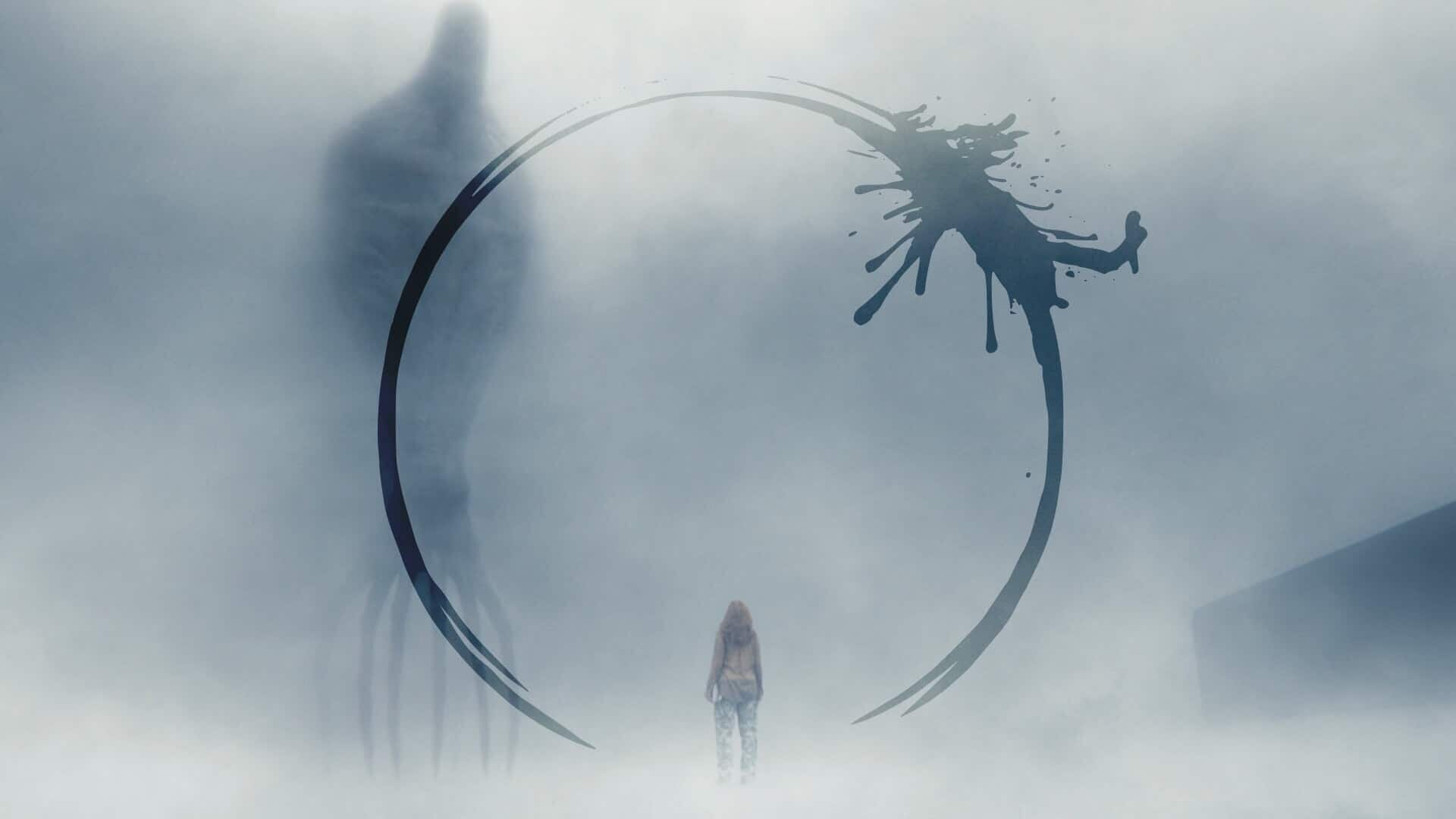
Films like Arrival approach this idea through the viewers perception, suggesting that once time is understood non-linearly, the concept of “choice” begins to shift. Rather than asking what will happen next, the narrative asks whether knowing what will happen changes anything at all.
Similarly, Steins Gate explores the tension between determinism and resistance, where attempts to alter the timeline only reinforce the very outcomes the characters are trying to avoid.
In Final Fantasy VIII, this idea reaches its most abstract form through time compression, where past, present, and future collapse into a singular point. What is fascinating about this is not the spectacle of the concept itself, but what it implies: if all moments exist simultaneously, then the future is not something that can be shaped - it is something that is already there, waiting to be experienced.
This reframes choice entirely, and suggests that our actions do not create outcomes, but instead, simply reveal them.

The Sorceress at the End of Time launches April 30th 2026. Follow the prelaunch page for real-time updates straight to your inbox.
When Love Doesn’t Change the Ending
If time in these stories represents inevitability, then love often emerges as the one force that refuses to be reduced to logic.
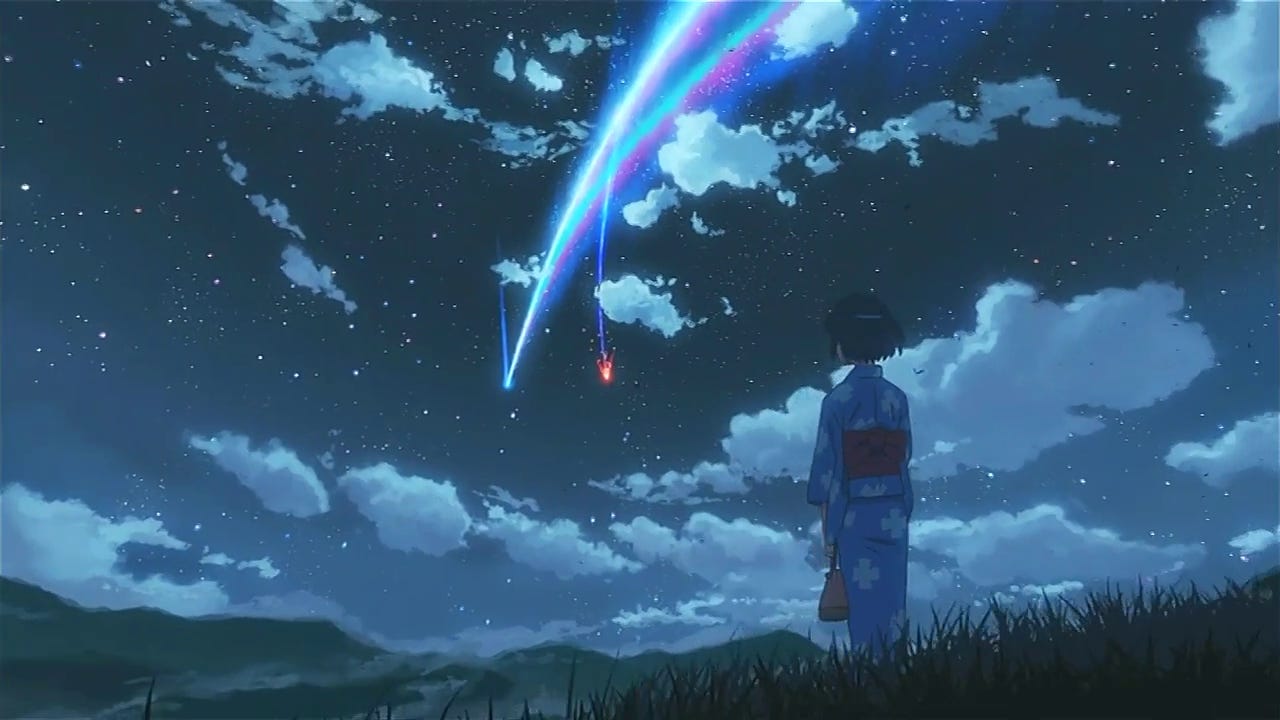
What makes works like Your Name or Clannad: After Story so emotionally resonant is not that their characters succeed in overcoming fate, but that they continue to reach for one another even when doing so appears irrational, or even futile. The emotional weight of these stories comes from the tension between what the characters know - or come to understand - and what they choose to do anyway.
In Interstellar, Cooper’s journey is not driven by certainty, but by conviction. He cannot fully comprehend how his actions will resolve, nor whether they will change anything at all, and yet he acts as though they matter.
In Final Fantasy VIII, Squall’s arc is defined not by his understanding of time compression, but by his refusal to retreat from connection, even when faced with the possibility that everything is already decided.
This is what gives love its thematic power in these narratives. It is not presented as a tool to alter fate, but as a response to it. Love becomes an act of defiance - not against time itself, but against the meaning that time imposes.
The Cost of Becoming Something Else
One of the most compelling through-lines across these works is the relationship between memory and identity, particularly when memory begins to erode under the weight of power or circumstance.
In Final Fantasy VIII, the use of Guardian Forces introduces a quiet but devastating consequence: the gradual loss of memory. This is not treated as a central plot twist, but as an underlying cost that subtly reshapes the characters’ sense of self.
Similarly, Eternal Sunshine of the Spotless Mind explores the deliberate erasure of memory as a means of escaping pain, only to reveal that it is precisely those memories that give relationships their meaning.
In Erased, memory becomes the thread that allows the protagonist to navigate time itself, anchoring his identity across shifting realities.
Across all of these stories, memory is not just a record of the past, but the foundation of who we are. When it begins to fracture, so too does the self.
This raises an unsettling question: if you lose the memories that define your relationships, do those relationships still exist in any meaningful way? Or does identity itself become something fluid, shaped not by continuity, but by whatever fragments remain?
The Desire to Escape Time
If the natural response to time is acceptance, and the human response is defiance, then there exists a third path that many of these stories explore - rejection.
At a certain point, the burden of time becomes too great. Time creates distance, and distance creates longing; time creates change, and change creates loss. It is, in many ways, the root of suffering. The idea that everything we love is temporary is not just a philosophical observation, but an emotional reality that these stories confront directly.
This is where many of their antagonists emerge, not as embodiments of evil, but as individuals who have reached a different conclusion about how to resolve that suffering. Rather than accepting time or resisting it, they seek to eliminate it entirely - to collapse all moments into one, to remove distance, to erase the possibility of loss.
However, what these narratives consistently suggest is that removing time also removes the very conditions that give life meaning. Without change, there is no growth; without distance, there is no longing; without an ending, there is no value to what comes before it.
In attempting to escape time, these characters often end up erasing the very thing they were trying to preserve.
The Sorceress at the End of Time launches April 30th 2026. Follow the prelaunch page for real-time updates straight to your inbox.
The Sorceress at the End of Time
It is within this philosophical space that my next graphic novel series - The Sorceress at the End of Time - sits.
Rather than treating time as a puzzle to be solved, the story approaches it as an emotional and thematic constant - something that shapes its characters in fundamentally different ways.
At its core, the narrative is built around three contrasting perspectives: one that sees connection as a risk best avoided, one that embraces it despite the cost, and one that has lived long enough to see time itself as the true source of suffering.
These are not just character traits, but distinct ideological positions. Each represents a different answer to the same underlying question:
If destiny cannot be changed, do the choices we make still matter?
The story does not attempt to resolve this question through mechanics or exposition, but through the trajectories of its characters - how they respond to inevitability, how they relate to one another, and ultimately, what they are willing to sacrifice.
So… Do Our Choices Matter?
What these stories suggest, collectively, is that the answer depends on how we define meaning.
If we expect our choices to change the outcome, then perhaps they do not matter as much as we would hope. But if we understand meaning as something derived from experience rather than result, then choice takes on a different significance entirely.
You may not be able to alter where the story ends. You may not be able to rewrite what is coming.
But you can decide how you move toward it.
You can choose to love, even when you know it may end.
You can choose to stay, even when leaving would be easier.
You can choose to reach for something, even when it may already be slipping away.
And perhaps that is what gives these stories their enduring power. Not the illusion that fate can be changed, but the insistence that, even within its boundaries, our choices still define who we are.
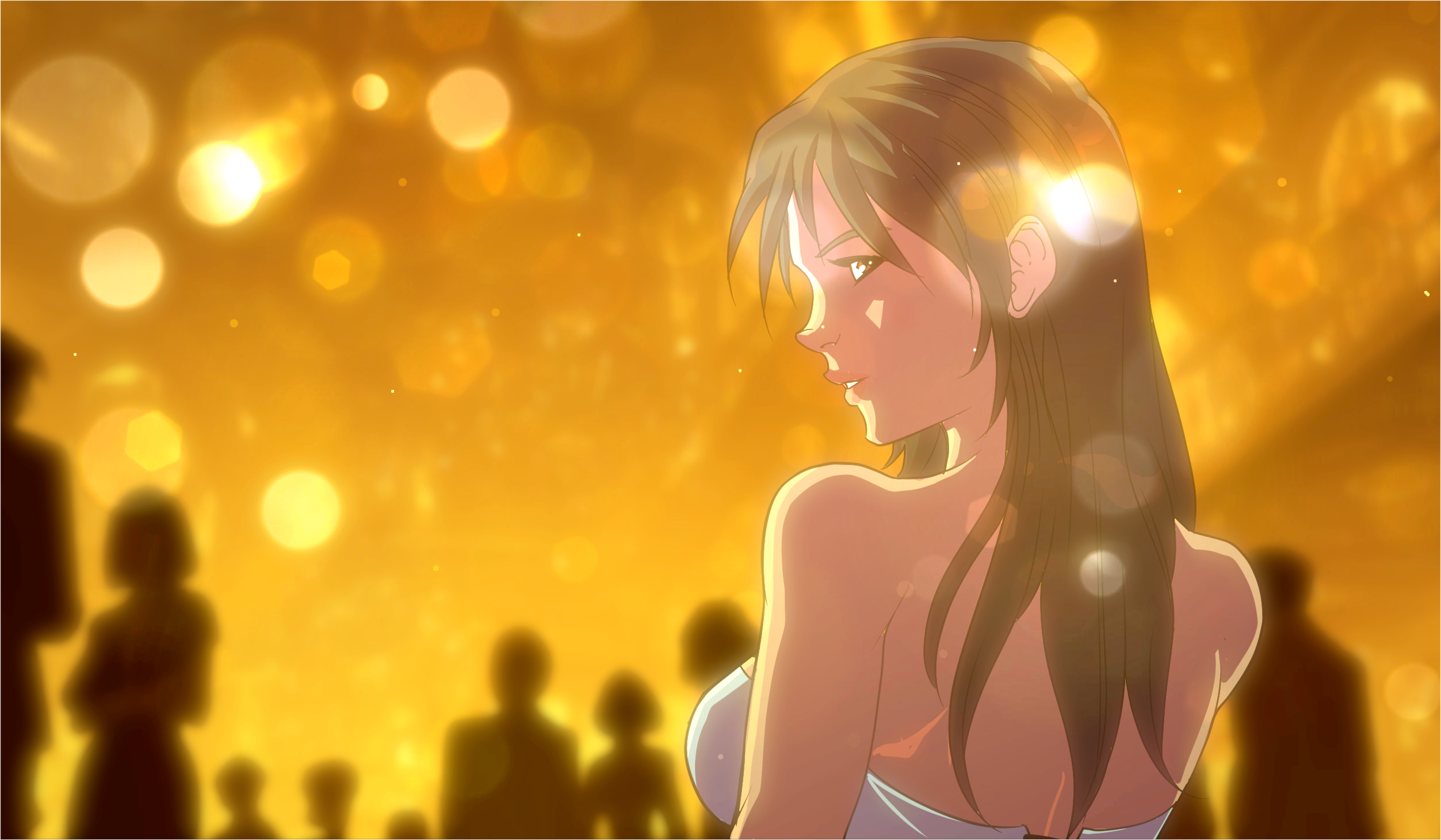
Final Thought
There is a tendency to view determinism as something that diminishes meaning, as though a fixed future renders everything insignificant. But these stories argue the opposite - that inevitability does not erase meaning, but sharpens it.
If every moment is already there, waiting to be experienced, then the act of choosing - of feeling, of connecting, of holding on - becomes more significant, not less.
Because it is no longer about changing what happens.
It is about choosing to live it.
If you’ve found yourself drawn to stories like Final Fantasy VIII, Interstellar, or Arrival, then The Sorceress at the End of Time sits firmly within that lineage - exploring not just how time works, but what it does to us.
And what, if anything, we choose to do about it.
The Sorceress at the End of Time launches April 30th 2026. Follow the prelaunch page for real-time updates straight to your inbox.